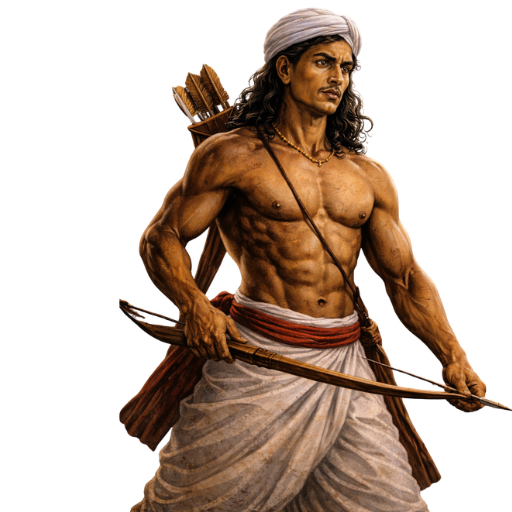
Tilka Manjhi defended the traditional system of tribal self-governance, where village councils made decisions collectively without outside interference.
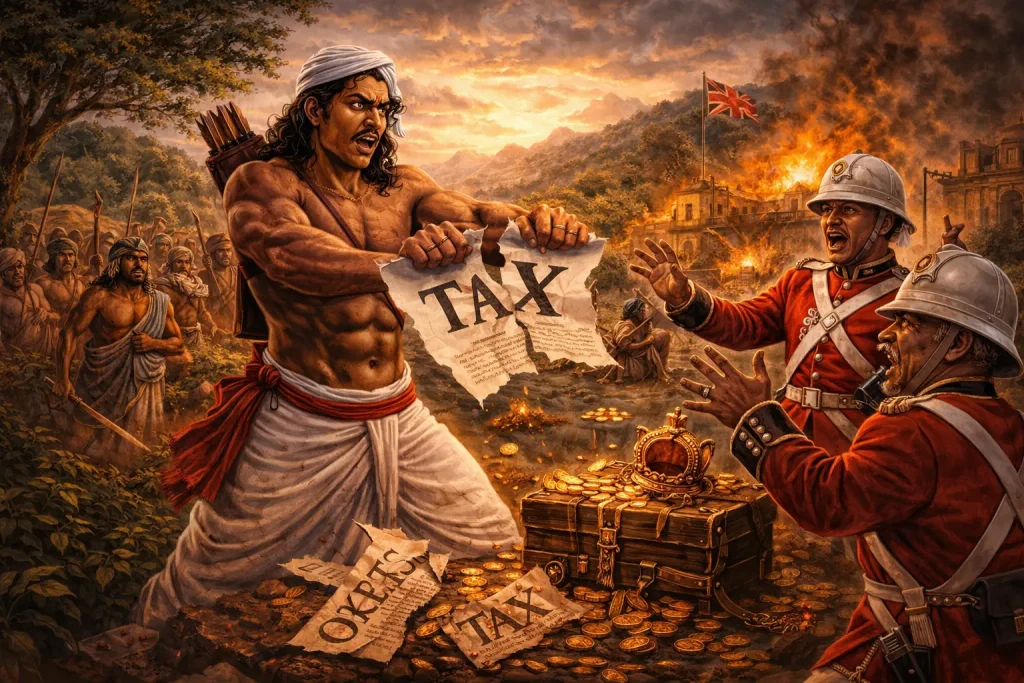
Rejection of Exploitative
He strongly opposed British revenue policies that imposed heavy taxes on tribal lands.
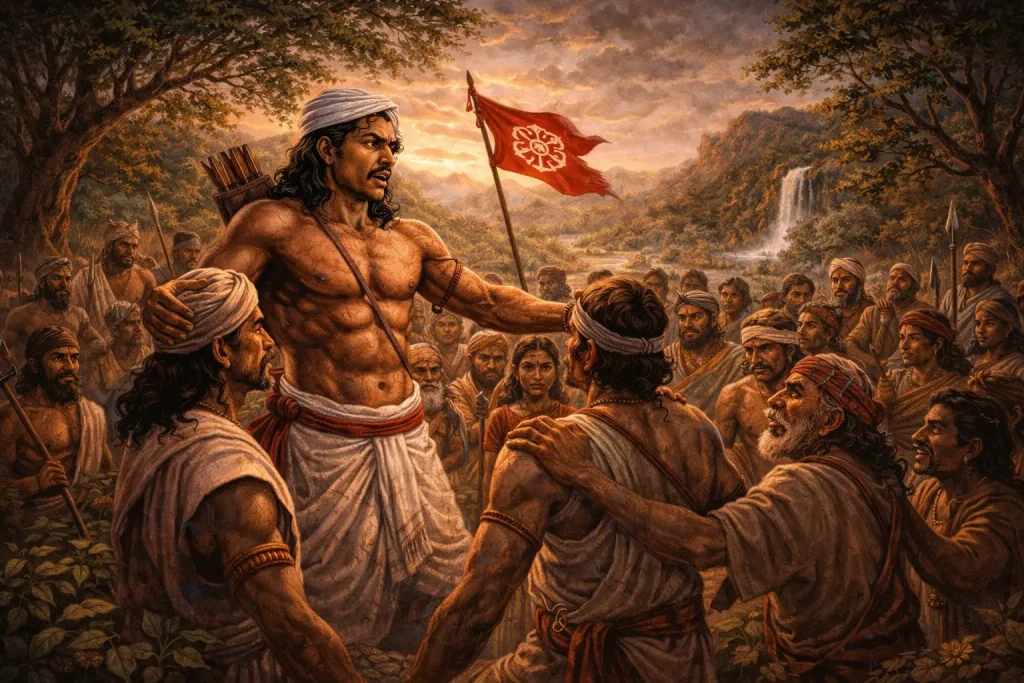
Collective Responsibility & Unity
He emphasized mutual support, collective defense, and unity as the foundation of resistance.
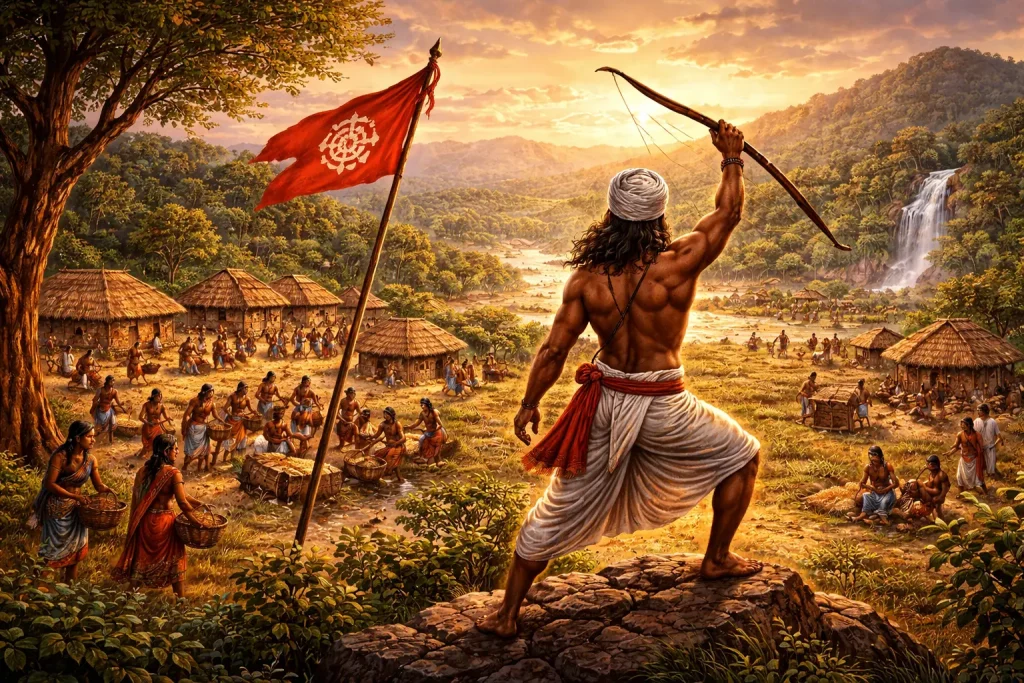
Village Council Governance
Decisions were made collectively through traditional tribal councils without colonial interference.
Protection of Ancestral Land
Land and forests were considered sacred community assets, not taxable propert
Opposition to Heavy Revenue Policies
Tilka Manjhi resisted excessive British taxation imposed on tribal communities.
Resistance to Economic Exploitation
He challenged forced collection, land seizure, and unjust administrative control.
Unity Among Tribal Villages
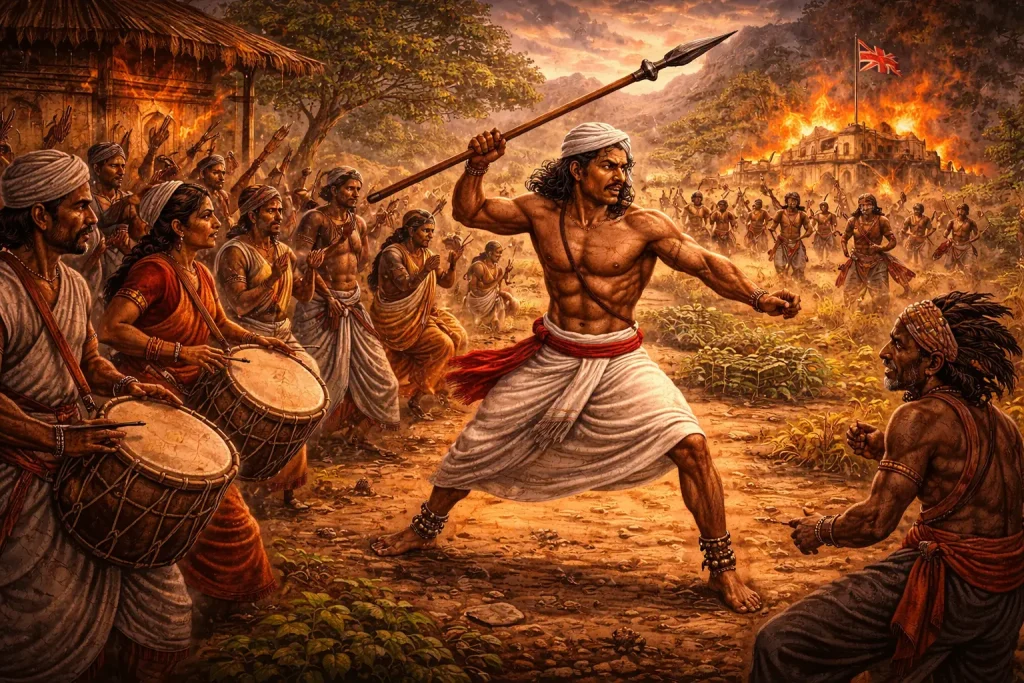
He mobilized scattered villages into a united resistance movement.
Collective Defense & Shared Responsibility
Community members stood together to protect their rights, dignity, and autonomy.
Protection of Customs & Identity
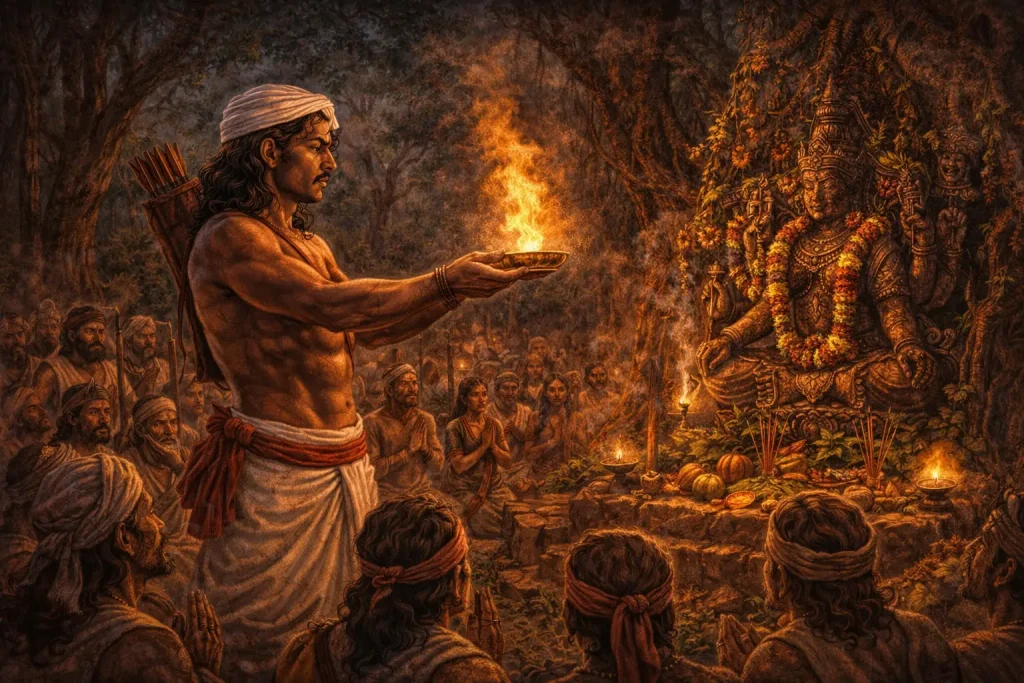
Tilka Manjhi defended tribal customs, sacred groves, and ritual practices as symbols of identity and unity. His resistance was not only armed but cultural—protecting traditions, values, and indigenous heritage from colonial interference.
Sacred groves and ritual practices
Sacred groves and ritual practices were central to tribal spiritual life, symbolizing a deep connection to nature and ancestors.
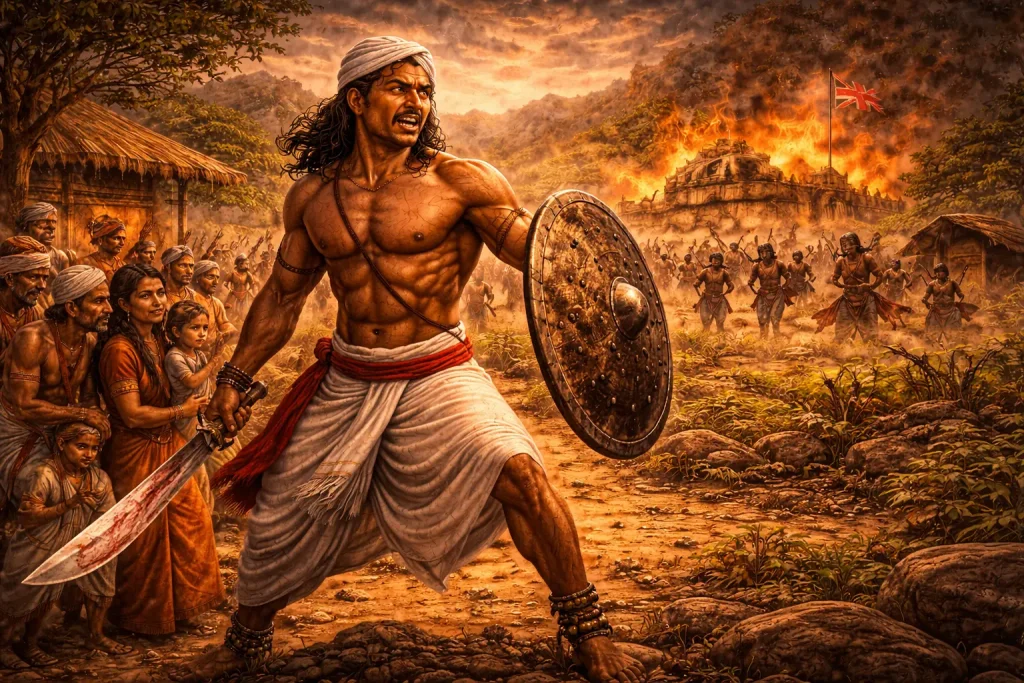
Cultural resistance alongside armed
Cultural resistance accompanied armed struggle, as tribal communities defended their language, traditions,
Preservation of Cultural Heritage
Language, customs, dress, Defending identity and oral traditions were safeguarded against external interference.