Defender of Tribal Freedom

A fearless leader who ignited one of India’s earliest tribal uprisings against British rule, standing as a timeless symbol of courage and indigenous resistance.

Legacy Overview

Though captured and executed in 1785, his sacrifice transformed him into a symbol of courage and defiance. Today, Tilka Manjhi is remembered not only as a warrior, but as a guardian of tribal identity and self-rule.

Defender of Santhal Land

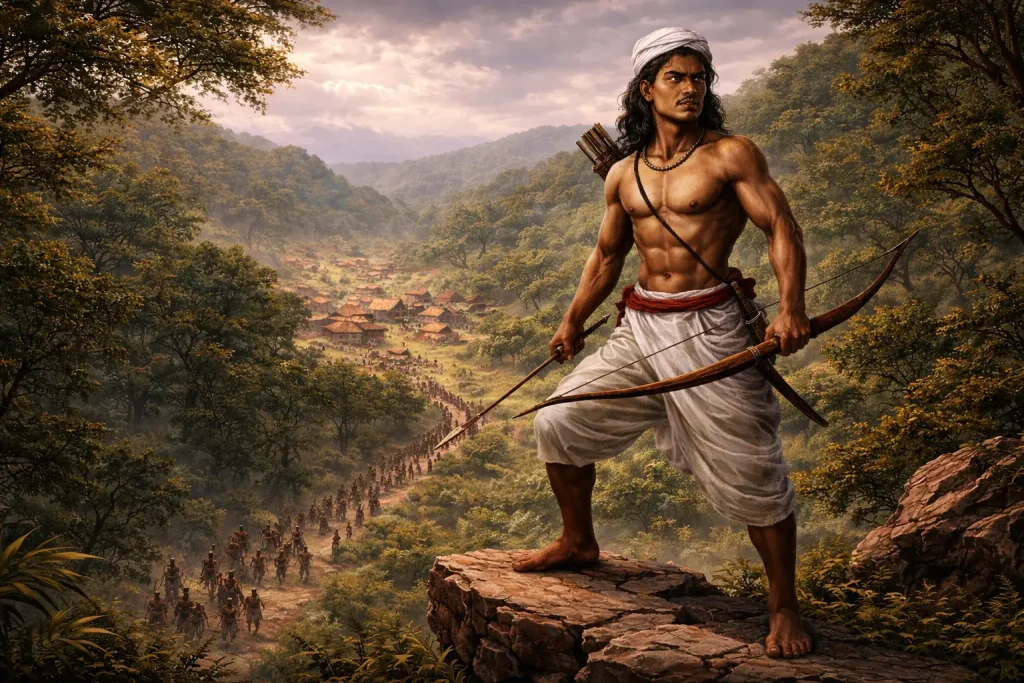
Tilka Manjhi emerged in the 18th century as one of the earliest tribal leaders to openly challenge British colonial power in Bihar. At a time when indigenous lands were being seized and traditional systems disrupted, he stood firmly to protect Santhal territory, forest rights, and cultural identity.

His resistance was not only a battle against foreign rule but a fight to preserve dignity, self-governance, and the ancestral bond between the Santhal people and their land.

Key Highlights

A Pioneer of Tribal Resistance and Indigenous Pride

Early Anti-Colonial Freedom Fighter
Tilka Manjhi emerged in the 18th century as one of the first indigenous leaders to openly challenge British colonial authority, long before the Revolt of 1857. His resistance marked the beginning of organized tribal opposition in eastern India.
Leader of the Santhal Uprising
He united Santhal and Pahadia communities against exploitative taxation and land policies, organizing a powerful forest-based resistance movement rooted in collective strength and traditional leadership.
Symbol of Tribal Courage and Sacrifice
His fearless stand and ultimate martyrdom in 1785 transformed him into a lasting emblem of indigenous pride, bravery, and the fight for self-rule.

Quick links

Quick access to key sections of Pa Togan Sangma’s life, legacy, and history.

Scroll to Top